Practical Guide Gains Traction: Local Retailers Share Real Tips for Picking Ideal Bedding in 2026
Shoppers across Europe and North America are shifting their mindsets when shopping for bed linens these days. Instead of simply picking items based on fancy advertisements or high thread count numbers, more people are turning to practical, experience-based advice from physical stores and long-time textile professionals. Local home textile retailers have noticed this clear change, and they are now sharing down-to-earth advice to help everyday customers find bedding that truly fits their lifestyle, budget and sleeping habits.
For years, many consumers believed a higher thread count always meant better sheets. Retail staff with decades of experience in the bedding business said this is one of the biggest misunderstandings in the market. “We have customers walking in and asking for sheets with 800 or 1,000 thread counts without a second thought,” said Lisa Marlow, a sales supervisor at a family-run home textile shop in London. “In fact, a 300 to 400 thread count single-ply cotton sheet often breathes far better than thick multi-ply products with exaggerated thread counts. Those overpacked sheets tend to trap heat and feel stiff after repeated washes, especially for people who easily get hot at night.” She added that fabric quality and weaving methods matter much more than just the printed thread count figure on the label.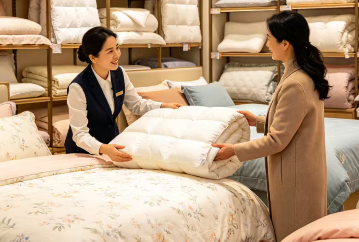
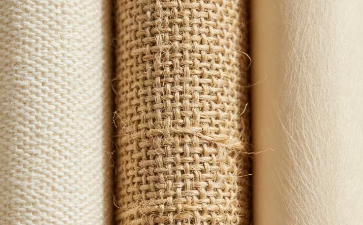
Fabric selection remains the core part of buying bedding, and different materials serve different groups of users. Pure cotton is still the most popular choice for most families. Top-grade long-staple cotton delivers soft touch and great durability, suitable for all seasons. Flax linen stays cool against the skin, which makes it a top pick for summer use. Even though linen wrinkles easily, its natural casual look has won over many young buyers who love relaxed home styles. Bamboo fiber bedding has also seen steady sales growth recently. It absorbs moisture quickly and carries natural antibacterial features, winning favor among people with sensitive skin and allergy sufferers.
Synthetic fiber products, mainly polyester and blended fabrics, keep their own market share thanks to affordable prices and easy care. Most blended sheets can be machine washed at normal temperatures without complicated maintenance. They rarely shrink or fade, so they are widely chosen for rental houses, guest rooms and families with young kids or pets. Retailers remind shoppers not to dismiss synthetic fabrics blindly. Modern improved polyester fibers have greatly upgraded softness, striking a good balance between cost and comfort for budget-focused buyers.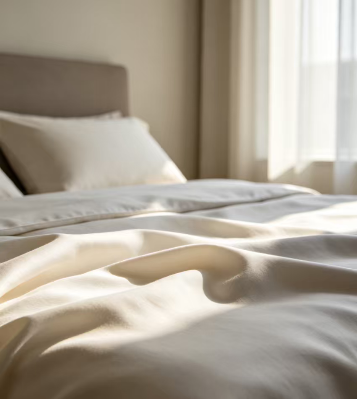
When it comes to pillows and duvets, shoppers now pay more attention to filling materials instead of just appearance. Traditional down and feather fillings create a fluffy, enveloping feel, but they are not the best option for allergy-prone groups. Memory foam and high-quality polyfill have become mainstream alternatives. These synthetic fillings offer stable support, do not breed dust mites, and maintain their shape well after long-term use. Many stores also sell all-season duvets with layered structures, which can be used alone in spring and autumn or combined for extra warmth in cold winter, cutting extra spending for consumers.
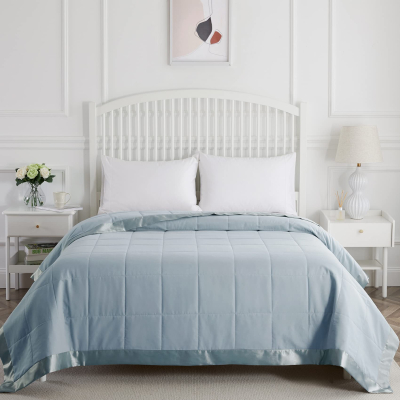
Style and color choices are also evolving. Solid neutral tones like off-white, light grey and soft beige still dominate shelf space, as these colors match almost all bedroom decoration styles and never go out of date. Simple small floral patterns and subtle geometric designs are also popular. Bold, complicated prints are less favored now. “Modern homeowners want bedding to create a calm atmosphere for rest,” explained a store manager in Berlin. “They prefer delicate patterns that add a little personality without looking messy.”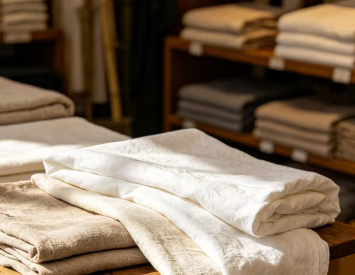
Sustainability has also become a real consideration for mainstream buyers, not just a marketing slogan. More customers will actively ask about raw material sources, dyeing processes and environmental certifications before paying. Products made from recycled fibers or organic materials see rising inquiries. Some regular customers tell retailers they are willing to spend a little more on eco-friendly bedding, as they hope their daily choices can reduce harm to the environment. Meanwhile, shoppers also care about washing requirements. Busy working people and big families tend to avoid products that need cold gentle washing or frequent ironing.
Industry insiders said the current bedding market is returning to rational consumption. Consumers no longer chase excessive luxury or exaggerated functions. They value practicality, comfort and long service life above all else. Physical stores, which allow customers to touch and feel products on site, play an important role in guiding correct buying ideas. Moving forward, home textile brands and retailers will keep adjusting their product lines, combining professional experience with real user needs, to provide more targeted bedding solutions for different groups.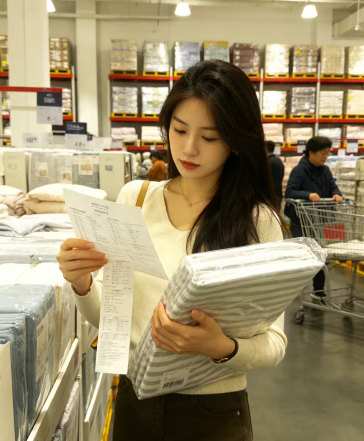
For ordinary shoppers, the rule of thumb is simple: figure out your own sleeping habits, seasonal needs and maintenance ability first. Do not be misled by fancy labels. Only the bedding that suits you is the best choice.