Say Goodbye to “Plastic Feel”: How to Redefine Waterproof Mattress Protection
Introduction: Moving Beyond the Plastic Era
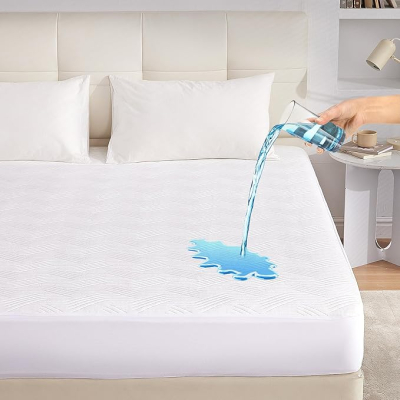
For decades, the term “waterproof mattress protector” images of crinkly vinyl covers that trapped heat and disrupted sleep. Today, redefining waterproof mattress protection means moving away from noisy, hot, plastic-feeling materials toward breathable, soft, and sustainable alternatives that protect without compromise.
Market data confirms this shift. Searches for “waterproof mattress protector that doesn’t crinkle” have surged as consumers demand protection that feels invisible. For international buyers—whether sourcing for retail brands, hospitality chains, or e-commerce—understanding these material innovations is essential to meeting modern expectations.
The Problem: Outdated Materials Create Negative Experiences
The “plastic feel” consumers complain about originates from traditional Polyvinyl Chloride (PVC) or vinyl backings. While this composite waterproofing layer is highly effective in preventing liquid leakage, it performs less well in terms of sound insulation and lacks thermal insulation properties.
For sensitive demographics—children, elderly individuals, and hotel guests—these issues translate directly into returns and negative reviews. Today’s informed consumers expect a quiet waterproof mattress protector that they forget is even present.
Modern Waterproofing Materials: The TPU Advantage
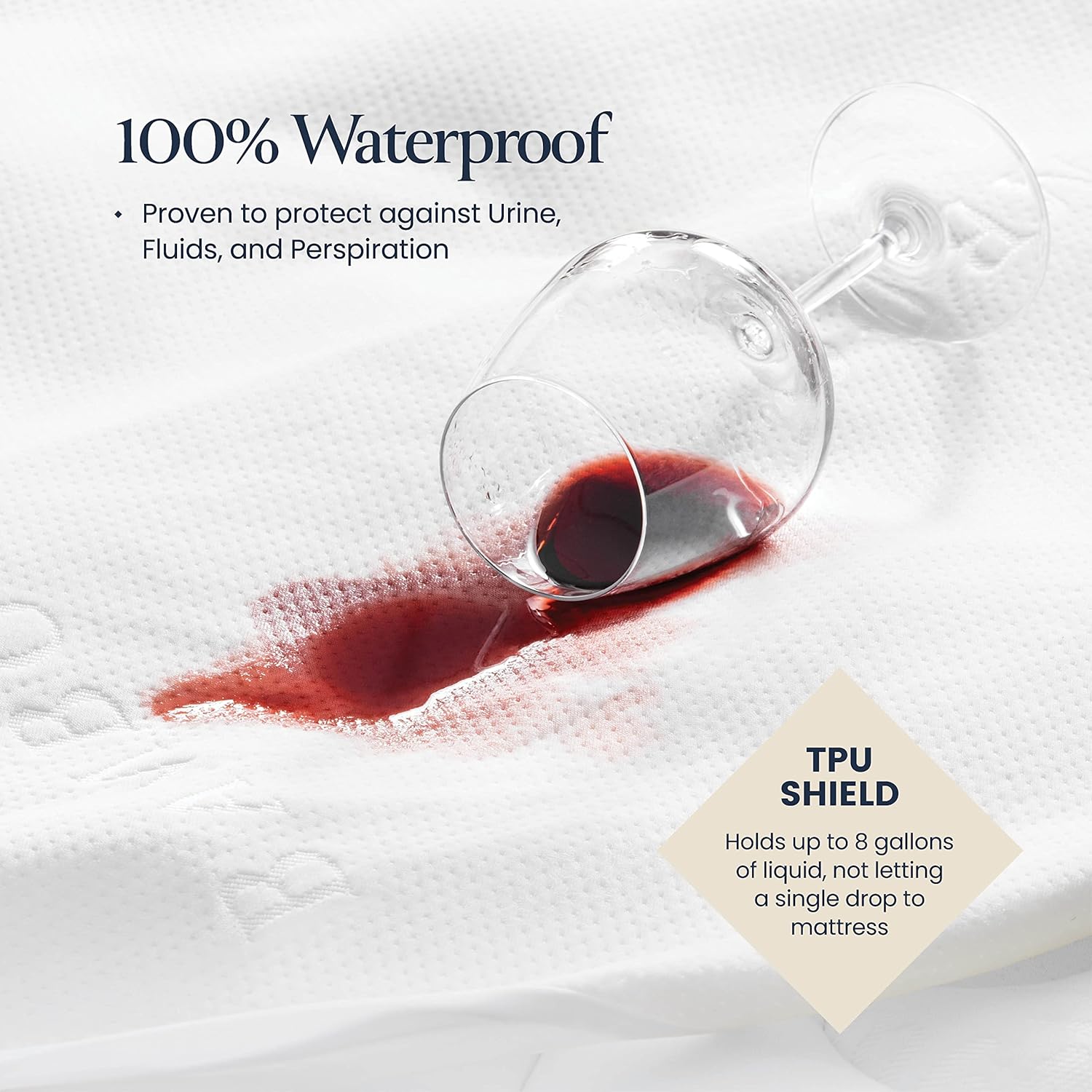
The waterproof performance of any protector depends on its membrane layer. Thermoplastic polyurethane (TPU) has emerged as the industry standard for high-quality products, offering distinct advantages over traditional PVC or PU alternatives.TPU films can be engineered with micro-porous structures that allow vapor transmission while maintaining complete liquid barrier properties. When combined with knitted or air-layer top fabrics, the resulting composite achieves the elusive balance: waterproof and breathable simultaneously
Key specifications:
Film thickness: 0.02mm to 0.05mm
Hydrostatic head rating: Minimum 8,000mm
Temperature resistance: Maintains flexibility from -20°C to 80°C
Soft, Breathable Top Fabrics: Five Options for Every Market
The surface fabric determines the protector’s feel. Modern options deliver comfort comparable to high-quality bedding:
Knitted Waterproof Fabric: Formed from interlocking loops of yarn, knitted textiles create inherent stretch and sound dampening properties. The knitted waterproof mattress protector moves with the body, eliminating crinkling noise entirely. Ideal for luxury hospitality and premium retail segments.
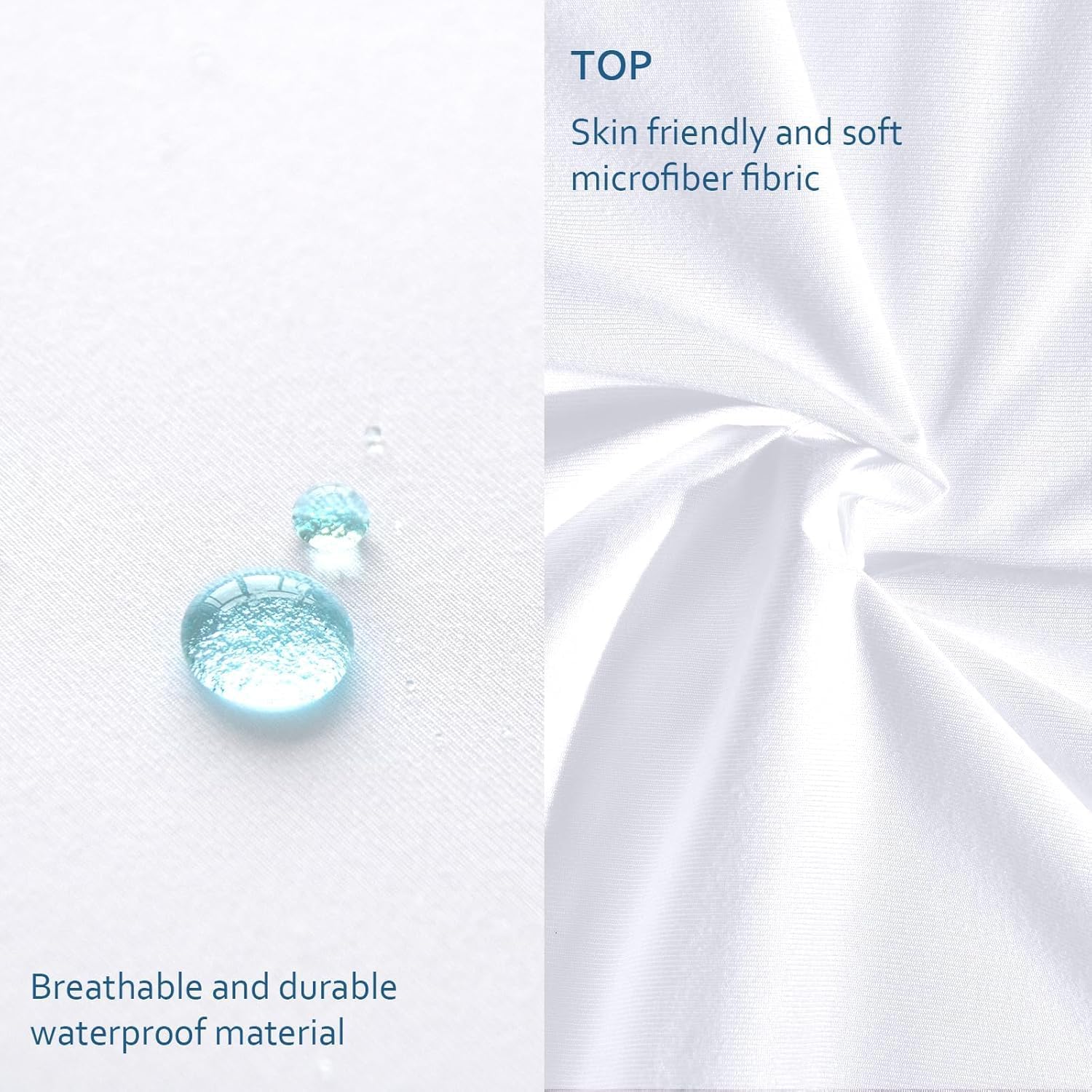
Air-Layer Fabric (Spacer Fabric): A three-dimensional structure with a monofilament middle layer that creates continuous air channels. This allows moisture vapor and body heat to escape laterally, delivering a breathable waterproof mattress protector experience. Suited for hot climate markets and summer-focused brands.
Cotton with Waterproof Coating: Pure cotton, long-staple cotton, or brushed fabric as the base, finished with a waterproof layer (such as silicon-based coatings). Combines natural softness with reliable protection. Some variants meet “Class A infant-grade” standards, appealing to the baby and children’s market.
Quilted Composite Construction: Multi-layer structure—typically a soft top fabric, a middle cotton or fiberfill layer for cushioning, a waterproof membrane (TPU or PU), and a non-slip bottom layer. This construction enhances warmth and protection, commonly specified for hotel and healthcare applications where both comfort and durability are required.
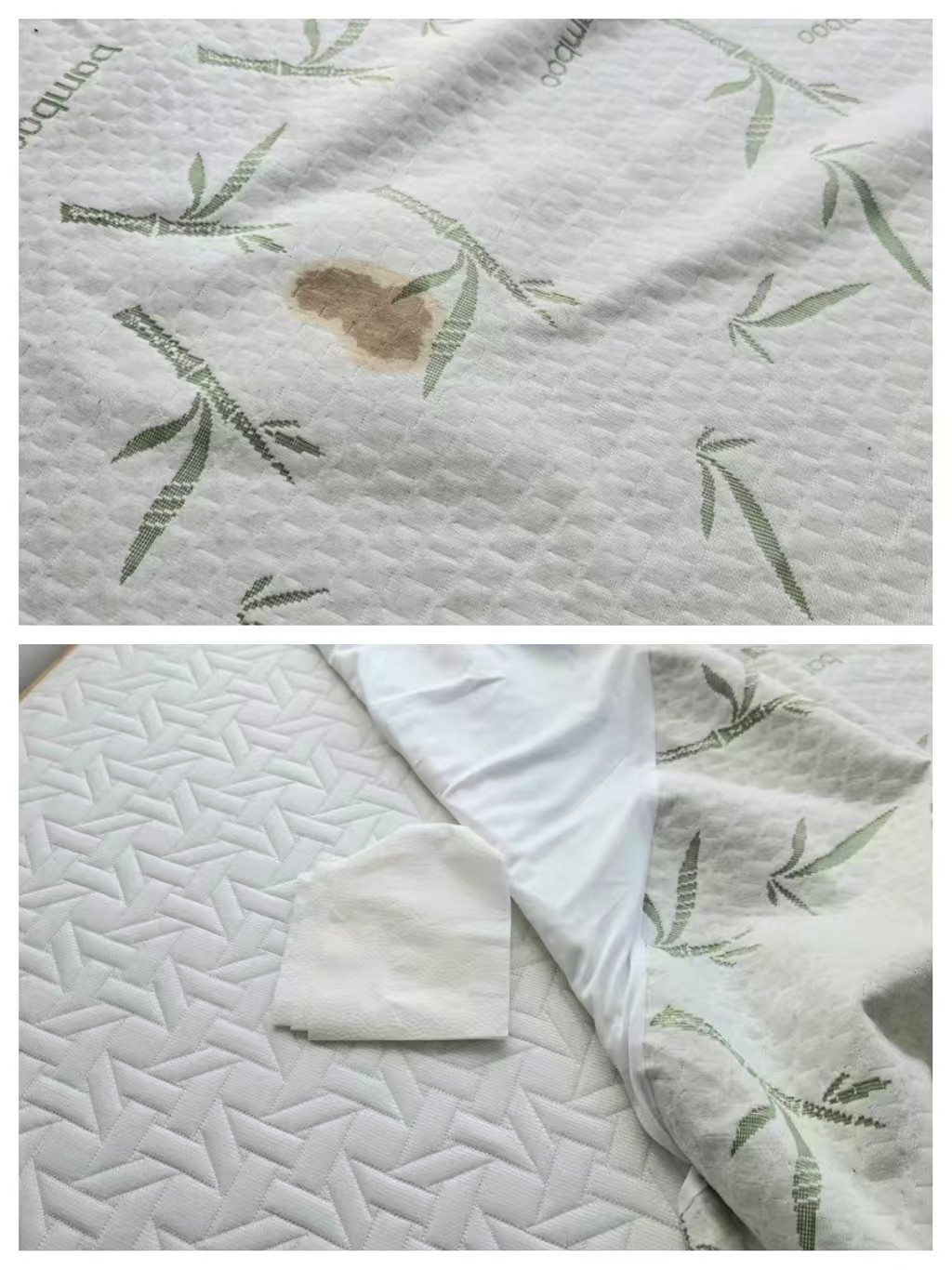
Bamboo Rayon or Organic Cotton Jersey: Exceptionally soft, cooling, and moisture-wicking. Bamboo appeals to hot sleepers and sensitive skin; organic cotton jersey offers stretch, quietness, and high breathability.
“Silent” Technology: Eliminating the Crinkle
Modern high-quality protectors incorporate quilted construction, which adds a layer of cushioning that masks any movement from the protective layer underneath. This construction removes the crinkly sound associated with traditional plastic covers.
For buyers evaluating products, physical sample testing remains essential. Running a hand across the surface reveals noise levels immediately. Reputable suppliers provide wash test reports verifying that quiet waterproof mattress protector performance endures after repeated laundering.
New Product Formats for Protection
Beyond material innovations, new formats address specific market needs:
Waterproof Fitted Sheets: Combining the fitted sheet and waterproof protector into one layer reduces heat buildup and eliminates the need for separate noisy protectors. Simplifies cleaning and appeals to direct-to-consumer brands.
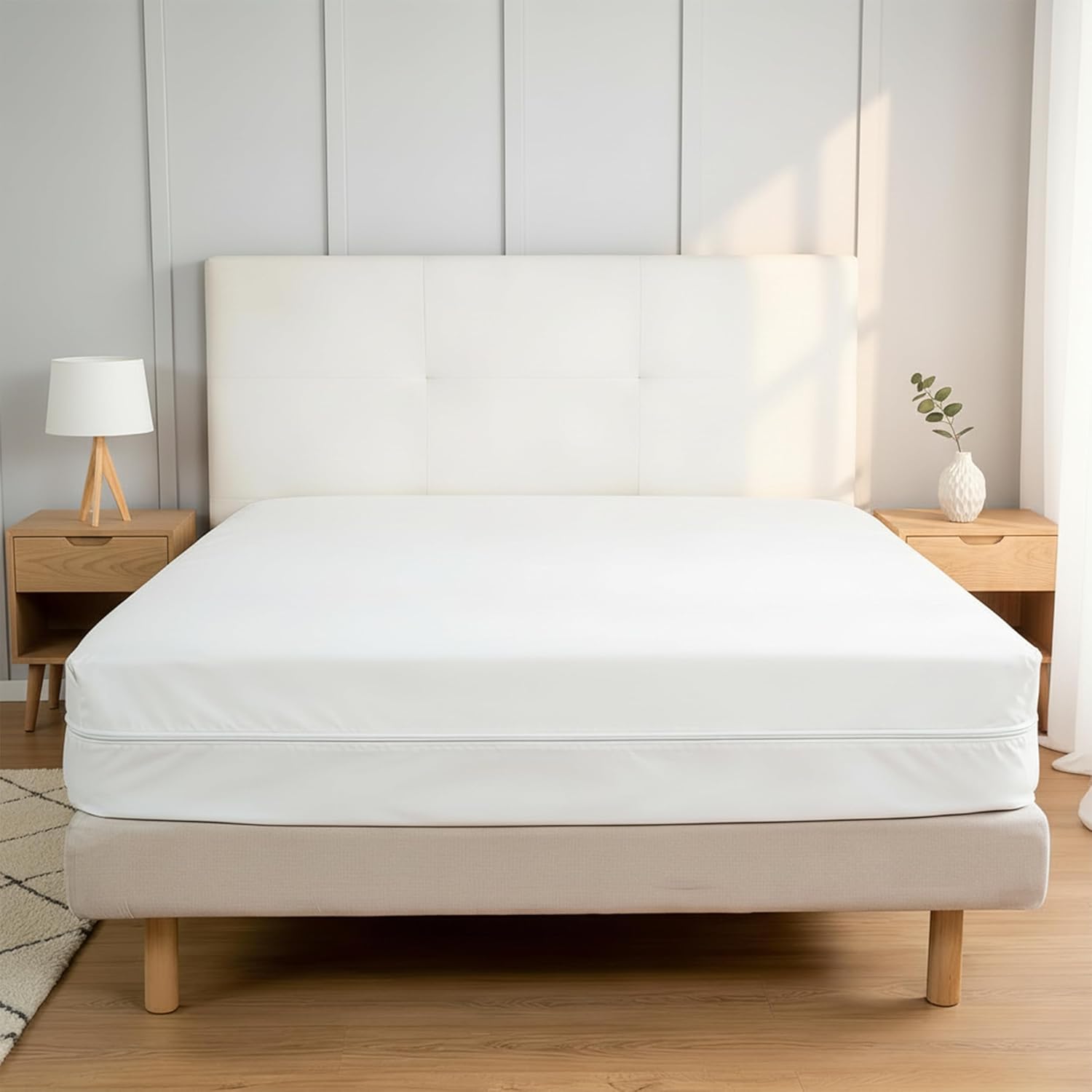
Zippered Encasements: For total protection, 6-sided encasements block not only liquids but also bed bugs and dust mites. Commonly specified for hospitality, healthcare, and rental properties.
Tailored Solutions for Every Market Priority
Different segments require different configurations. As a specialized manufacturer, we offer flexibility:
Quiet First: Knitted top fabric + thin TPU membrane
Breathability First: Air-layer or bamboo fabric + micro-porous TPU
Cost-Effective: Cotton with waterproof coating or standard PU membrane with reinforced seams
Premium Comfort: Quilted composite construction with organic cotton or Tencel top layer
Frequently Asked Questions
1. How can I verify that a waterproof mattress protector is truly quiet?
Physical sample testing is the most reliable method. Run your hand across the surface and listen for crinkling. Request wash test reports verifying noise characteristics after 20, 50, and 100 cycles.
2. Does breathability compromise waterproof performance?
No. Quality TPU membranes allow vapor transmission through micro-porous structures while maintaining complete liquid barrier. Verify both hydrostatic head ratings (≥8,000mm) and MVTR (moisture vapor transmission rate) data.
3. What certifications should I look for?
OEKO-TEX Standard 100 confirms no harmful substances. ISO 9001 validates consistent quality management. GRS certification demonstrates commitment to recycled materials.
4. Can I request different fabric-membrane combinations for different SKUs?
Yes. We support flexible combinations—knitted with thin TPU for premium lines, cotton with coating for value offerings, or quilted composite for hospitality—within the same production facility.
Partner with Confidence
The era of choosing between protection and comfort is ending. Knitted and air-layer fabric technologies, combined with precision TPU lamination, now deliver products that satisfy both requirements without compromise.We invite international buyers to request our sample kit featuring knitted and air-layer waterproof mattress protector options.Contact us today to discuss your requirements and discover how the right fabric combination can transform your product offering.