Spills, Sweat & Stains: Why Queen Mattress Owners Are Switching to Waterproof Shields Now
For numerous households, a queen - sized mattress is not merely a sleeping area; it represents a long - term investment. But for many families who use mattresses, the happiness of a quality mattress is overshadowed by a number of common problems such as stubborn stains accidentally overturned, persistent moisture caused by sweating, and the silent growth of allergens such as mites. In other words, it's the same.
Thus, this simple and effective solution of waterproof mattress covers was quickly favored by Queen Size mattress owners. In this article, we will examine why more and more families are choosing to abandon traditional mattress covers to adopt these advanced protective covers and how they are redefining mattress care.
The Hidden Risks of Unprotected Queen Mattresses
Large mattresses have a wide surface area of 60" x 80" and are particularly susceptible to the effects of everyday wear. Without a reliable mattress protective cover, even a small accident can lead to costly problems.
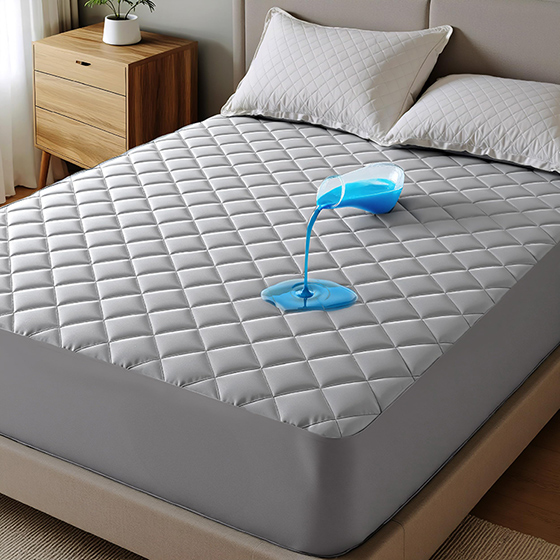
Pay attention to the following characteristics of overflows and stains: Liquid accidents, for example, are inevitable. Whether it's a flipped glass in the middle of the night, a kid learning to stroll, or a pet exploring the surroundings. If the mattress lacks waterproof protection, there is a possibility that the liquid will penetrate the mattress layer, creating permanent stains and forming mold.
Sweat and moisture management: Typically, adults sweat an average of 1 to 2 glasses per night. Over time, this moisture accumulates deep in the mattress, gradually weakening the inner structure of the mattress and attracting bats (mass breeding in humid environments). According to a study conducted by sleep experts in 2024, unprotected large mattresses can spawn up to 10 million bats if used for 18 months.
Pollution removal problems: Traditional mattress covers are generally very thin and not waterproof, providing only minimal protection. Cleaning or designated cleaning can only solve the surface problem; Once the liquid has penetrated the mattress, professional cleaning (or even replacement) is the only option, which can be several hundred.
For those who own queen mattresses, these risks extend beyond mere aesthetics, as they are also concerned about safeguarding their investment. A high-quality queen mattress can cost between $1,000 and $3,000, making protection a necessity rather than a luxury.
Why Waterproof Mattress Covers Are Becoming The New Standard
Switching to a waterproof mattress cover is not a fashion, but a response to changing consumer needs. Here’s why they go beyond traditional mattress covers:
1. Unmatched barrier to liquids
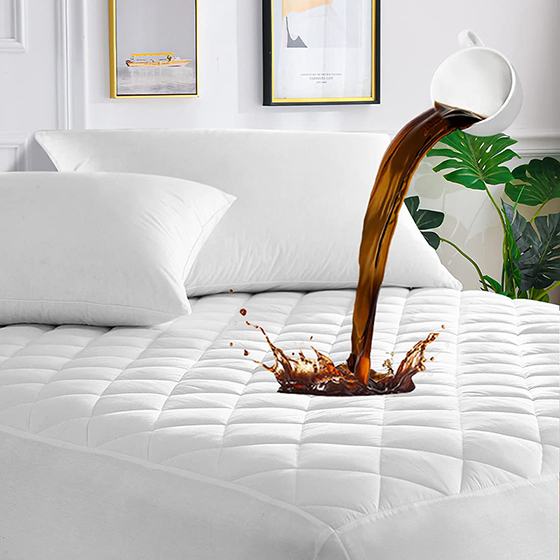
Modern waterproof sheaths use advanced materials such as thermoplastic polyurethane (TPU) that block liquids while remaining breathable. Unlike plastic beds in the past, today's beds are soft, quiet and imperceptible under the sheets. Tests performed by independent laboratories have confirmed that they resist stains from coffee, wine, urine and even oil, keeping the mattress surface dry and clean.
2. Anti - Allergy and Hygienic Benefits
In addition to being splash-resistant, waterproof mattress covers block allergens. Many models are certified hypoallergenic and antimicrobial to prevent dust mites, pet dandruff and mold spores from infiltrating the mattress. This is definitely a change for families with children, pets or people with allergies.
3. Easy to maintain
Traditional mattress covers usually require frequent washing (and discoloration), but waterproof covers simplify care. Most mattress covers can be machine washed and dried, and their durable elastic edges allow the mattress covers to fit tightly with Queen Size mattresses (even deep pocket mattresses up to 18 inches thick). A quick wash every few weeks restores its protective properties without expensive detergents or professional services.
Mattress Protector vs. Mattress Cover: A Guide for Queen Owners
Mattress covers and mattress covers are not uncommon to confuse. However, the difference between the two is very important for those who use large mattresses.
Mattress Covers: They are generally thin decorative bed sheets to enhance the visual appeal of the space. They may offer some anti-pollution features, but generally lack waterproofing. Over time, liquid can infiltrate the mattress and damage the integrity of the mattress structure.
Waterproof mattress protection cover: This kind of product is designed for protection, it is relatively thick, multilayered, has a professional waterproof layer. According to the mattress manufacturer, these mattress covers protect the mattress from various liquids, allergies and physical wear, extending the service life of the mattress by 5-10 years.
In short, the role of the mattress cover is to enhance the aesthetic of the mattress. Meanwhile, waterproof mattress protective covers are an important component of mattress design to ensure the functionality and service life of the mattress.
Consumer Demand Is Reshaping the Market: The surge in waterproof mattress protector sales reflects a broader transformation in consumer priorities—especially among queen mattress users. According to a 2025 global home furnishings report by IRI Insights, sales of waterproof protectors have risen 28% from 2023 to 2025, with queen-size models comprising nearly 45% of all units sold. This spike isn’t just a trend—it’s a clear signal of evolving consumer habits.
Why change?
Hygiene first
After the outbreak of the pandemic, sleep hygiene has become a mainstream issue of concern for people. A survey conducted by Bedding Intelligence Group in 2025 found that 7 out of every 10 owners of large mattresses are actively seeking bedding with allergen and dust mite protection functions. The fear of long-term exposure to invisible pollutants such as sweat, skin cells, and bacteria has driven the shift from mattress care to proactive care.
Better products, smarter materials
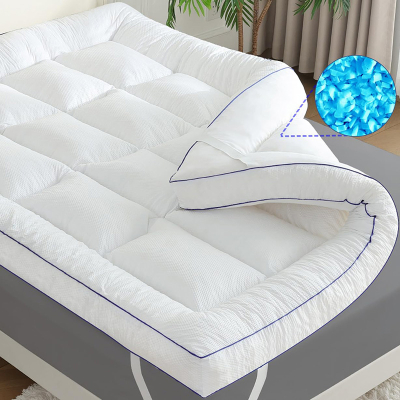
Chinese manufacturers such as HUAZUO and Saint Glory have gained widespread attention worldwide with their new generation of mattress protection products. These products use advanced ingredients, such as bamboo fiber (natural antibacterial and breathable), environment-friendly polyurethane waterproof membrane, and even cooling gel injection layer. The result is no compromise on comfort - the protective cover is both soft and safe.
Provide affordable protection for expensive mattresses
The price of a large mattress is usually between $800 and $2000, so protective measures are no longer optional. A high-quality waterproof protective cover priced between $30 and $100 is a low-cost method to extend the lifespan of mattresses by 3-5 years or more. Compared to the cost of over $500 for deep cleaning or mattress replacement, its value is self-evident.
What the Experts Say?
Medical professionals and sleep specialists now widely recommend waterproof mattress protectors as essential—not optional. Dr. Emily Carter, a certified sleep medicine expert, emphasizes:
“Queen mattresses are long-term sleep investments. Letting moisture or allergens build up shortens their lifespan and harms sleep quality. A breathable waterproof protector is critical, not just for cleanliness but for overall health.”
Tips from the Pros:
Avoid Heat Traps: Select protectors with a breathable membrane (TPU or polyurethane) to allow airflow while blocking liquid—especially important for hot sleepers.
Go Hypoallergenic: Those with asthma, eczema, or seasonal allergies should opt for hypoallergenic fabric blends, ideally OEKO-TEX certified.
Check the Fit: A snug, elasticized edge ensures the protector stays in place—especially on thicker, pillow-top queen mattresses.
The Future of Mattress Care is Waterproof
For those who own a large mattress, the choice is very clear: waterproof mattress cover is not an accessory, but a necessity. These protective covers have revolutionized the way we care for mattresses by blocking splashes, absorbing sweat, and blocking allergens, not only extending the lifespan of the mattress but also improving sleep quality.
With continuous innovation in the market, such as softer fabrics, more environmentally friendly choices, and smarter designs emerging, there is no sign of slowing down the trend towards waterproof protection. For those who have been troubled by alcohol stains or frequent sneezing at night, this is undoubtedly a revolution that should have come long ago.